



When Your Child Is Getting Ready for School Next Year
Your child is enrolling in primary school next year and you want them to arrive calm on the first day. Lilo grows all five readiness areas a year ahead so the transition feels smooth.
School readiness built around five areas: reading, counting, writing, social skills, and independence. Your child learns with real objects first using Lilo's CPA method, then moves on to pictures and numbers, so the understanding is real and the first day of school feels calm.
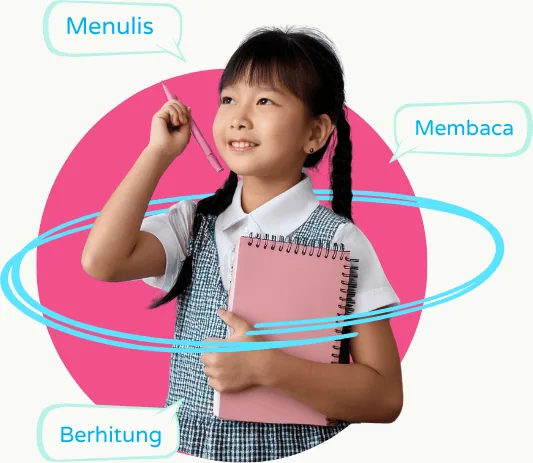

School readiness is the support that helps a child aged 5 to 7 face the first day of primary school calmly. It covers five areas: reading and language, counting, writing and motor skills, social and emotional growth, and independence with focus. When all five grow in balance, your child starts school feeling confident and eager to learn.
The year before primary school is the perfect window to grow your child's five readiness areas, and a few of these situations may feel familiar to you.
Your child is enrolling in primary school next year and you want them to arrive calm on the first day. Lilo grows all five readiness areas a year ahead so the transition feels smooth.
Your child recognizes most letters yet still does not blend them into words. Through the CPA method, they move from letter sounds to reading short words and sentences with real understanding.
Your child is still unsure about parting from you and gets restless when asked to sit. Lilo builds focus and courage through short, fun tasks so they grow settled and independent like a schoolchild.
Your child is not yet comfortable holding a pencil and still gets stuck counting objects or telling more from less. Steady, friendly practice makes the hand limber and the counting flow.
60, 90, or 120 minutes
Contact us
60, 90, or 120 minutes
Contact us
60, 90, or 120 minutes
Contact us
Four stages toward the first day of school. The teacher measures readiness at each stage, then closes whatever still wobbles.
This picture follows one profile: a child of five years and eight months who knows some letters, counts to five on their fingers and finds a pencil awkward. They take the Regular package, eight sessions a month. Every child has their own rhythm, so the months may shift.
The first session maps all five areas through play. Your child then practises vowel sounds and a few consonants with cards and everyday objects, counts buttons to ten, and strengthens their hands by squeezing modelling clay and drawing thick lines.
Most letters and their sounds are now familiar. Your child places the number card six beside six bottle caps and compares which pile holds more. The pencil moves into a three-finger grip, and straight and curved lines are traced more neatly.
Letter sounds join into syllables, then into two-syllable words. Your child adds and takes away objects in front of them, then draws what happened. They write their own name, and that week's notes flag the syllables that still get mixed up.
Short sentences start to come out whole. Your child counts to twenty, counts apples on a worksheet and crosses out the ones that were eaten. Letters and numbers sit neatly on the line, and focus time grows a little at a time.
Your child reads a short passage and answers questions about it, solves simple sums alone, tidies their tools and asks when confused. The tutor sums up where all five areas stand as the school year approaches.
This timeline describes one profile and carries no fixed promise of timing. A free WhatsApp consultation can sketch a picture for your child.
Lilo prepares your child for school through five readiness areas, each measured one by one, then practiced with the CPA method from real objects, to pictures, and on to numbers and letters. The practice is steady, regular and levelled, kept warm and joyful for young children.
The first session starts with a friendly chat and small games to see where your child stands across the five readiness areas. From this the tutor learns which areas are already strong and which need more practice, so learning time goes exactly where it helps most.
Your child holds blocks, beads, and letter cards while learning, so concepts arrive through the hands and eyes. Counting begins with counting real things, and reading begins with letter sounds your child can hear and copy, so the understanding takes root and lasts.
Once your child understands through objects, they move on to pictures and illustrations, then to numbers, letters, and sentences. This step by step learning ladder helps your child face written work in school feeling calm and ready.
Each area has fun practice sheets done steadily and regularly, level by level, with games and stories to keep your child happy. This warm repetition makes reading, writing, and counting flow more smoothly and naturally over time.
Your child gets used to sitting and focusing for an age-friendly stretch, finishing one task all the way, tidying up learning tools, and asking questions with confidence. These good habits make the first day of school feel familiar and fun.
You receive a weekly progress report along with a picture of your child's readiness across the five areas, plus simple activity ideas to try at home. This way, school preparation moves in step between the tutor and the family.
Lilo grows all five readiness areas at once, from reading, counting, and writing, to getting along with others and taking care of themselves. Your child arrives in first grade with a ready foundation and a calm heart.
A child who is ready for school shows it through everyday habits they have already built, from happily saying goodbye to their parents in the morning to settling down to listen to the teacher.
Your child knows letters and their sounds, begins blending syllables, and is used to listening to a story all the way through. This foundation helps them quickly grasp lessons in first grade.
Your child understands amounts, number order, and the links between numbers through objects they can hold. This understanding from real experience becomes a solid base for school math.
Your child's hand is trained through gripping a pencil, drawing lines, and forming letters neatly. With this practice behind them, your child can write comfortably throughout the school day.
Your child practices taking turns, listening to the teacher, Your child practices taking turns, listening to the teacher, calming themselves when it is time to say goodbye, and handling their own tasks. This foundation makes them brave, settled, and ready to learn fully in a new school.
Every child grows at their own rhythm, and Lilo matches the practice to the stage your child is going through right now.
Four struggles that often show up as your child gets ready for school, and how Lilo addresses each one through the CPA method and five readiness areas.
Why it happensYour child has memorized letter names ('ay', 'bee', 'see') as a song, while reading needs letter sounds. A letter's name and its sound are different, so reciting the alphabet in order does not turn into the ability to blend words on its own.
How Lilo helpsLilo starts from letter sounds your child can hear and copy, the Concrete part of the CPA method, then your child blends those sounds into syllables and short words. Once your child joins the sounds, reading starts to make sense and they begin reading words on their own.
Why it happensReciting numbers in order is memorized like a tune. Understanding amounts needs pointing to each object one by one while counting and linking the number to how many things there are, a skill that grows from hands-on experience, not from memorizing.
How Lilo helpsLilo has your child count real objects, such as beads and blocks, touching each one, the Concrete step in CPA. From here your child grasps what numbers mean, understands which is more and which is less, then moves up to pictures and number symbols on a solid base.
Why it happensNeat writing rests on hand and finger muscles that are trained first. When your child is asked to form letters before the hand is ready, they use the whole arm, so they tire fast and the writing is hard to control.
How Lilo helpsLilo trains hand movement step by step through tracing lines, cutting, and folding, until your child's fingers are nimble and the pencil grip is correct and comfortable. Once the hand is used to it, your child forms letters, numbers, and their name neatly without tiring quickly.
Why it happensFocus and the courage to part are habits that grow slowly and are still maturing at this young age. When your child is suddenly faced with long school-style learning time, they feel overwhelmed because their body and heart are not used to it yet.
How Lilo helpsLilo builds focus through short, enjoyable tasks, then extends the time little by little to suit your child's age, with a tutor who keeps the mood warm. This habit of sitting and focusing, finishing tasks, and being brave on their own makes the first day of school feel familiar.
Your child learns letter sounds, then blends syllables into words, until they can read short sentences and understand the meaning, an essential foundation for every subject in school.
Starting from counting real objects and moving up to number symbols with the CPA method, your child grasps what numbers mean and can add and take away simple amounts.
Practice in holding a pencil, tracing lines and shapes, cutting and folding, until your child can write letters, numbers, and their name neatly.
Your child practices sitting and focusing, finishing a task all the way, tidying up tools, asking questions with confidence, and taking turns, so school habits form from the start.
School readiness grows from five areas that support one another. You can use the list below to observe your child at home. Every child has their own rhythm, and that is perfectly normal. Lilo helps grow the areas that still need strengthening, with patient and joyful steps.
Verified tutors trained in our reading, writing, counting, and finger-math methods for young children.
Guides young children through reading, writing, counting, and jarimatika in small, cheerful steps.
Trains focus through sempoa and jarimatika practice, while preparing reading, writing, and counting before primary school.
Walks children through reading, writing, and counting in a warm, unhurried classroom.
Takes children from letter sounds to fluent reading through small, enjoyable steps.
Leads children through reading, writing, and counting one step at a time.
Patiently guides reading, writing, and counting using games and objects children can hold.
Everything you need sits in a cupboard, the kitchen or the toy shelf, and each activity trains the same stages as the sessions. Try them when your child is fresh, and stop while they are still enjoying it.
| Activity | Time | What you need |
|---|---|---|
Hunting for Things That Start with One SoundSay one sound, such as b, and invite your child to wander the house gathering anything that opens with it: ball, book, blanket. Collect them in the basket and name them together. Their ear learns to catch the first sound of a word, the core of the Introduction Stage. | 10 minutes | A basket and objects around the house |
Pretend Shopping with Bottle CapsLabel toys with prices from one to ten, and your child pays with the matching number of caps. Now and then change the story: they have eight caps and buy a toy for three, so how many are left? Numbers gain meaning through things they can hold. | 15 minutes | Bottle caps and small paper price tags |
Guiding a Mouse Along a Winding RoadDraw two winding lines two fingers apart and ask your child to guide a crayon mouse from its house to the cheese without leaving the road. A sticker waits at the end. The three-finger grip and hand control grow, both of which they will use when tracing letters. | 10 minutes | Paper, thick crayons and stickers |
Packing a School BagLet your child pack their own bag as if leaving for school, then unpack it after play. This short routine builds independence and a sense of order, so the first school morning feels like something they already know well. | 5 minutes | A bag, pencil case, water bottle and book |
Indonesian primary schools select first graders by age, and reading, writing and counting may not be an entry requirement. The real readiness question moves into the classroom itself.
Paragraph 5 of Article 11 in Indonesia's Permendikdasmen 3/2025 states that admission to grade 1 does not require a reading, writing and counting test. Selection follows age. A child who cannot read fluently yet still has a seat in first grade, which is a relief. The rule also moves the place where readiness shows, from the enrolment desk to ordinary lesson time, when your child follows the teacher, copies from the board and stays settled after the morning goodbye.
A first grade teacher works with many children at one pace. A child whose ear is already at home with letter sounds catches on when the teacher blends syllables on the board. A child who knows that five means five things keeps up when the workbook moves from pictures to numerals. A child with a steady pencil grip copies without tiring. This kind of readiness matters most in the third lesson of the day, when attention dips and the task is still going.
Lilo builds it in order: objects first, pictures next, symbols last. Children of five to seven make sense of the world through their hands and eyes, so the order follows them. A child who memorises numbers can often recite one to twenty, then hesitates when asked to pick up seven buttons. The tutor makes sure every letter and number rests on something your child has held, so the understanding lasts into first grade.
Getting along and looking after themselves often decide how the first week feels. A child who can wait a turn, ask to use the bathroom and pack their own bag has more energy left for learning. In 1-on-1 sessions these habits are practised through small routines repeated every time. Each week the tutor writes down the stage your child is on, what has settled and what still wants another round, so you can see which areas are ready as the school year approaches.
It mostly comes down to timing and breadth: growing all five readiness areas a full year before school, or waiting until lessons begin in first grade.
| Aspek | Lilo | Teaching at Home Yourself | Waiting to Be Taught at School |
|---|---|---|---|
| Readiness coverage | Five areas measured and fully practiced | Depends on a parent's time and knowledge | Only taught after the child starts school |
| Way of learning | CPA method, from real objects to numbers | Often jumps straight to memorizing letters and numbers | Follows the pace of a busy classroom |
| Fit to the child | Based on the mapping and the child's pace | Hard to judge where the child really stands | One set of material for the whole class |
| Preparation time | Prepared one year before school starts | Easily delayed by daily busyness | The child adjusts as things go along |
| Learning habits | Focus and independence trained early | May not be practiced in a regular way | Form slowly after school begins |
| Progress tracking | Weekly reports to parents | Hard to measure without a reference | Through the report card after one semester |
A session runs 60, 90, or 120 minutes. The prices above are for 60 minute sessions, and longer sessions are priced accordingly. Lessons happen at your home or online. Larger packages cost less per session.
Each session works out to IDR 76,865 for online or private in-home sessions. Payment is made per package.
Grade 1 admission follows age, so good tutoring prepares your child for lesson time. These questions help you judge it.
What helps most in first grade is following instructions, taking turns and handling personal needs. Tutoring that spends every minute on memorising letters leaves a child strong on one side and shaky on another.
Young children often freeze in front of a worksheet. Play shows what they can really do: the sounds they know, how many objects they count correctly, how they hold a crayon. Lilo tutors read all of this from games at the very first meeting.
A child holding seven buttons understands what seven means. Moving from objects to pictures to symbols makes understanding stick, ready for the day workbook questions arrive in writing.
A useful report tells you where your child sits on their stage, what is secure, what still wobbles and one short idea to try together. Lilo's report arrives every week with all four, so practice carries on between sessions.
A good match shapes how bravely your child speaks and tries. Lilo tutor profiles are visible before the first session, many come from primary teaching, early childhood, psychology and mathematics programmes, and Lilo replaces a tutor free of charge when the match is off.
Lilo prepares reading, counting, writing, social skills, and independence in balance, so your child is ready all around and no area is left behind when school begins.
Your child learns from real objects first, then pictures, then numbers and letters. This way your child truly understands, so they stay calm facing school lessons.
Practice sheets are done steadily and regularly, level by level, wrapped in games and stories, making your child's reading, writing and counting flow more smoothly without any pressure.
The tutor places your child at the stage that fits the initial mapping and follows their pace, so a child who is ahead and a child who still needs time are both well served.
Your child gets used to focusing, working independently, and asking questions with confidence, so the daily school routine feels familiar from the first day and the transition is smooth.
Lilo tutors are trained to keep young children's spirits up through games, songs, and praise for every step forward, so your child enjoys learning and grows in confidence.
You receive a weekly progress report along with a picture of your child's readiness across the five areas and activity ideas for home, so preparation moves in step.
The first meeting maps all five readiness areas without a worksheet. To your child it feels like playtime. To the tutor, every game leaves a note.
The tutor says a sound and your child picks the matching picture card. This shows which letters are known, which sounds still swap places, and whether your child can already join two sounds.
Your child counts toy fruit, compares which pile is bigger and matches piles to number cards. The tutor watches whether they point at each item and how far their counting stays accurate.
Your child draws lines, colours and writes their name if they can. The tutor notices the pencil grip, hand pressure and how long your child stays comfortable before tiring.
The game ends with turn-taking and tidying up together, which reveals patience and independence. From all these notes the tutor sets a starting stage for each area, and the result goes into the first weekly report.
Whether a session is short or long, the pattern stays the same, so your child feels a routine close to a first grade morning.
The tutor greets your child, asks how they are, then sets out pencils, books and worksheets together. This small habit trains your child to begin learning in an orderly way, just as they will when the school bell rings.
The topic arrives through objects, then pictures, then symbols. Worksheets come from the coded module in progress, so what your child writes always matches what they have just held and seen.
Your child finishes one task to the end, waits for a turn to speak and raises a hand to ask. The tutor praises the effort they can see, so your child knows exactly which behaviour helped.
Before saying goodbye, the tutor names what your child got the hang of that day and leaves one short piece of homework, roughly ten minutes long. Your child leaves the table feeling capable, and you know what to continue.
Tell us your child's age and what they can already do, and the Lilo team will map their five readiness areas, from reading all the way to feeling brave at the school gate, so the first day of school feels calm. The WhatsApp consultation is free, so reach out today.
A calm start to primary school can begin with a free consultation.