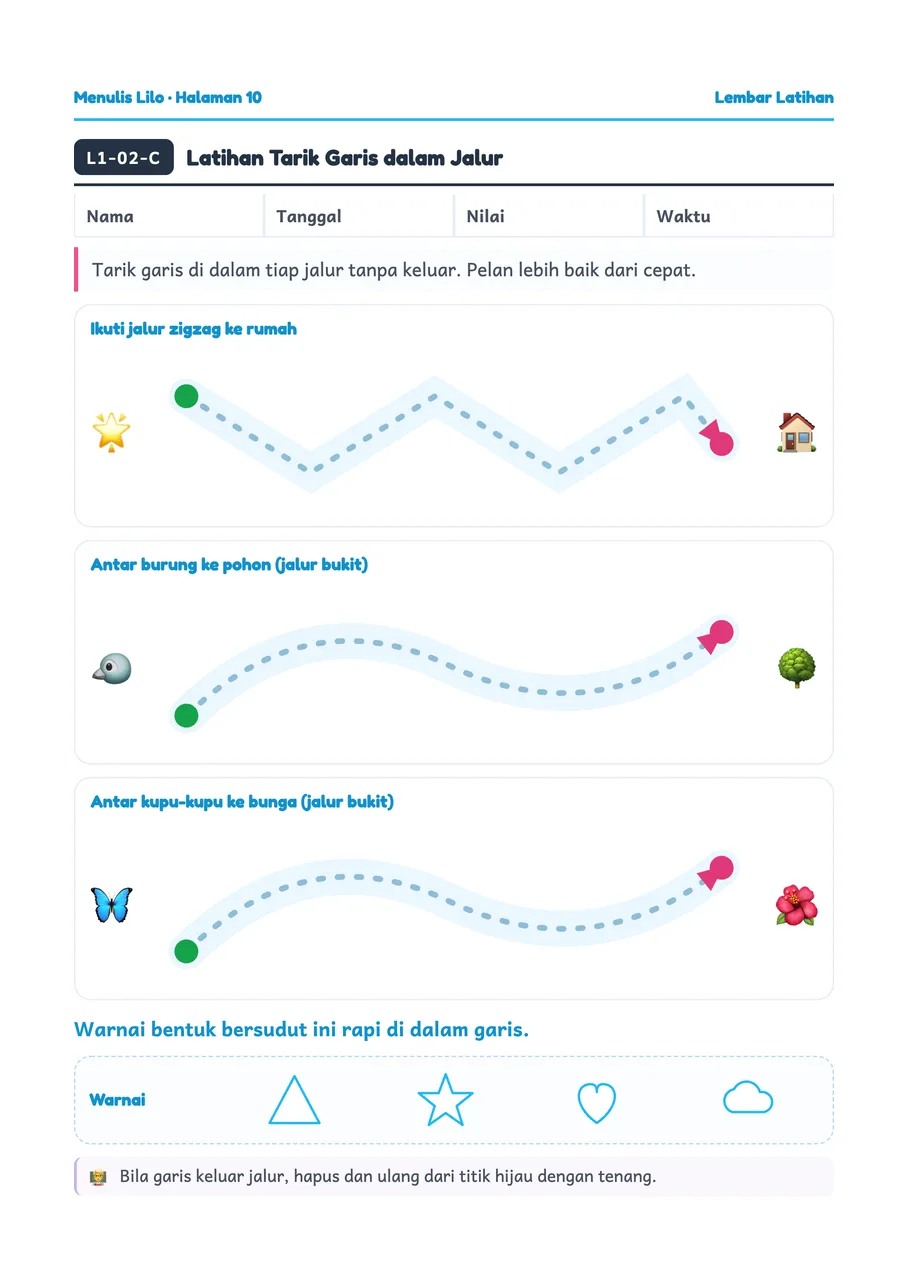
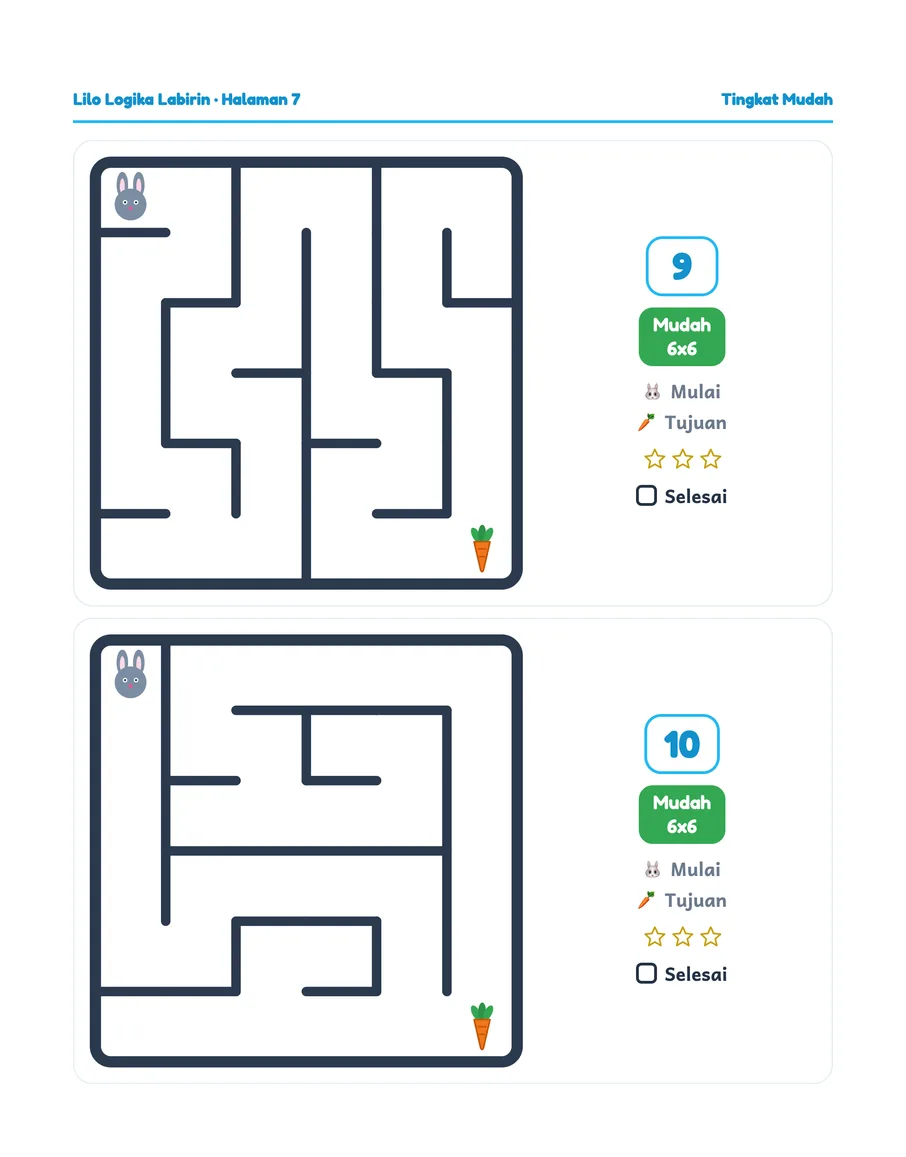
Material packs

Lilo Material Packs You Can Download Today

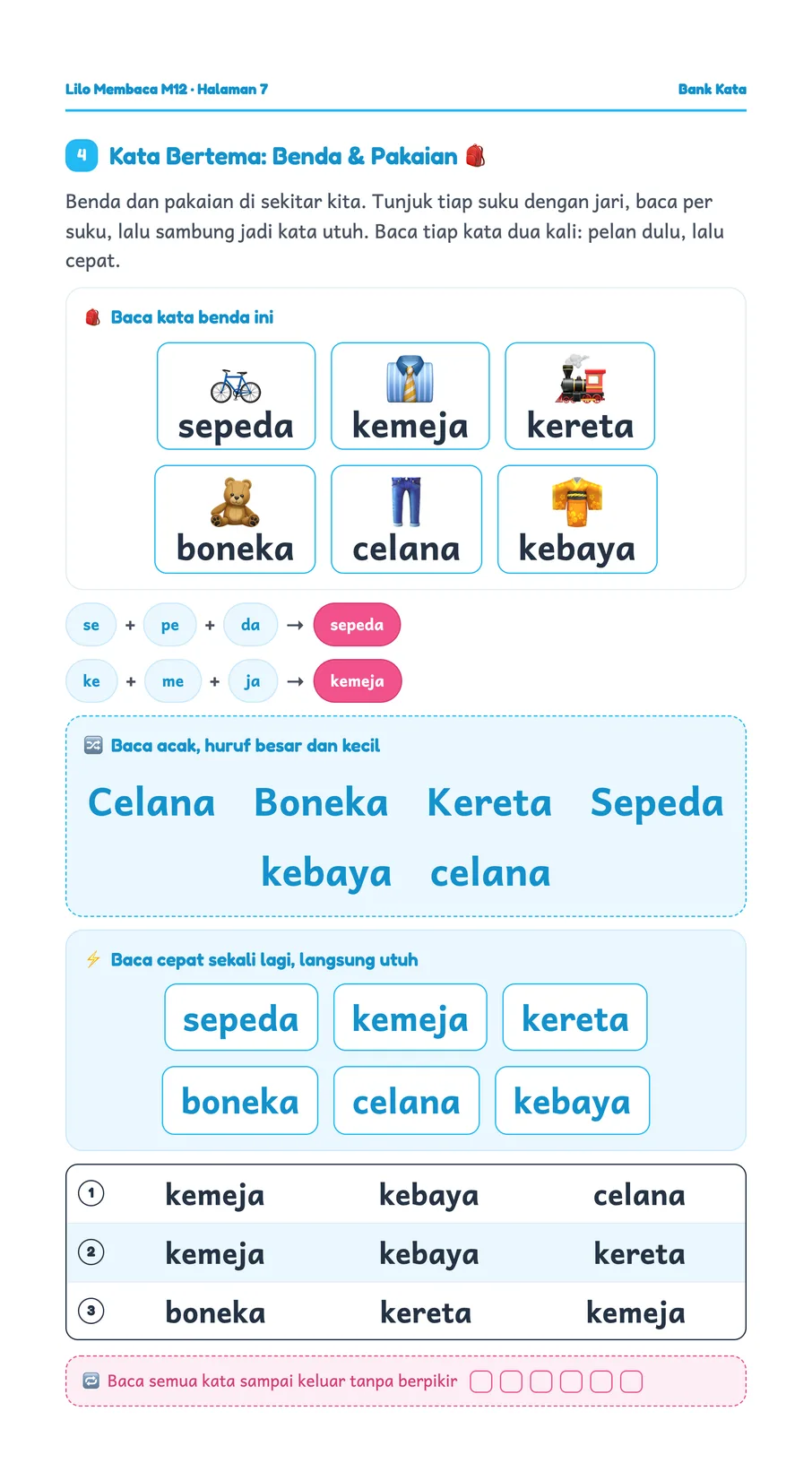
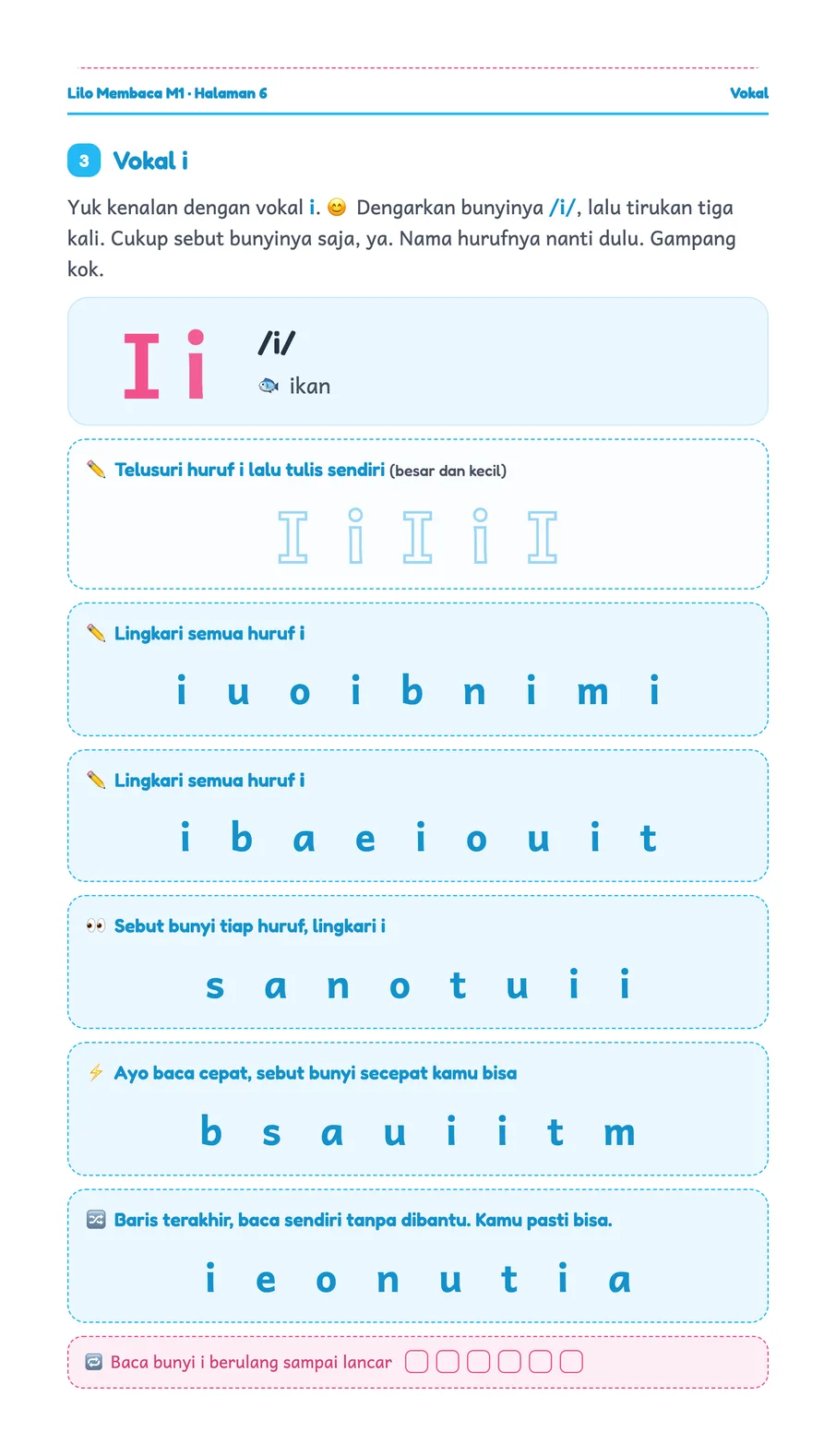
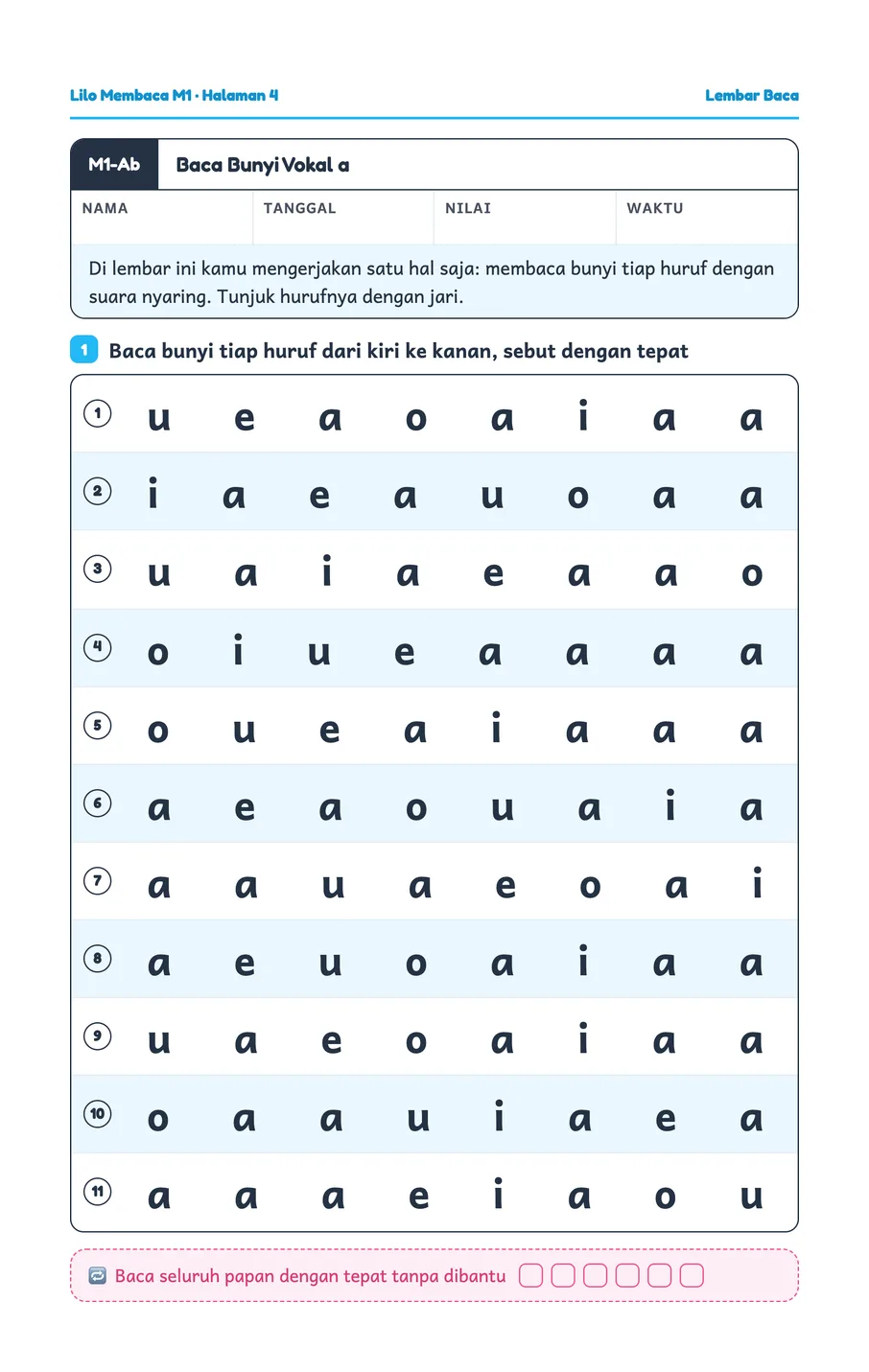
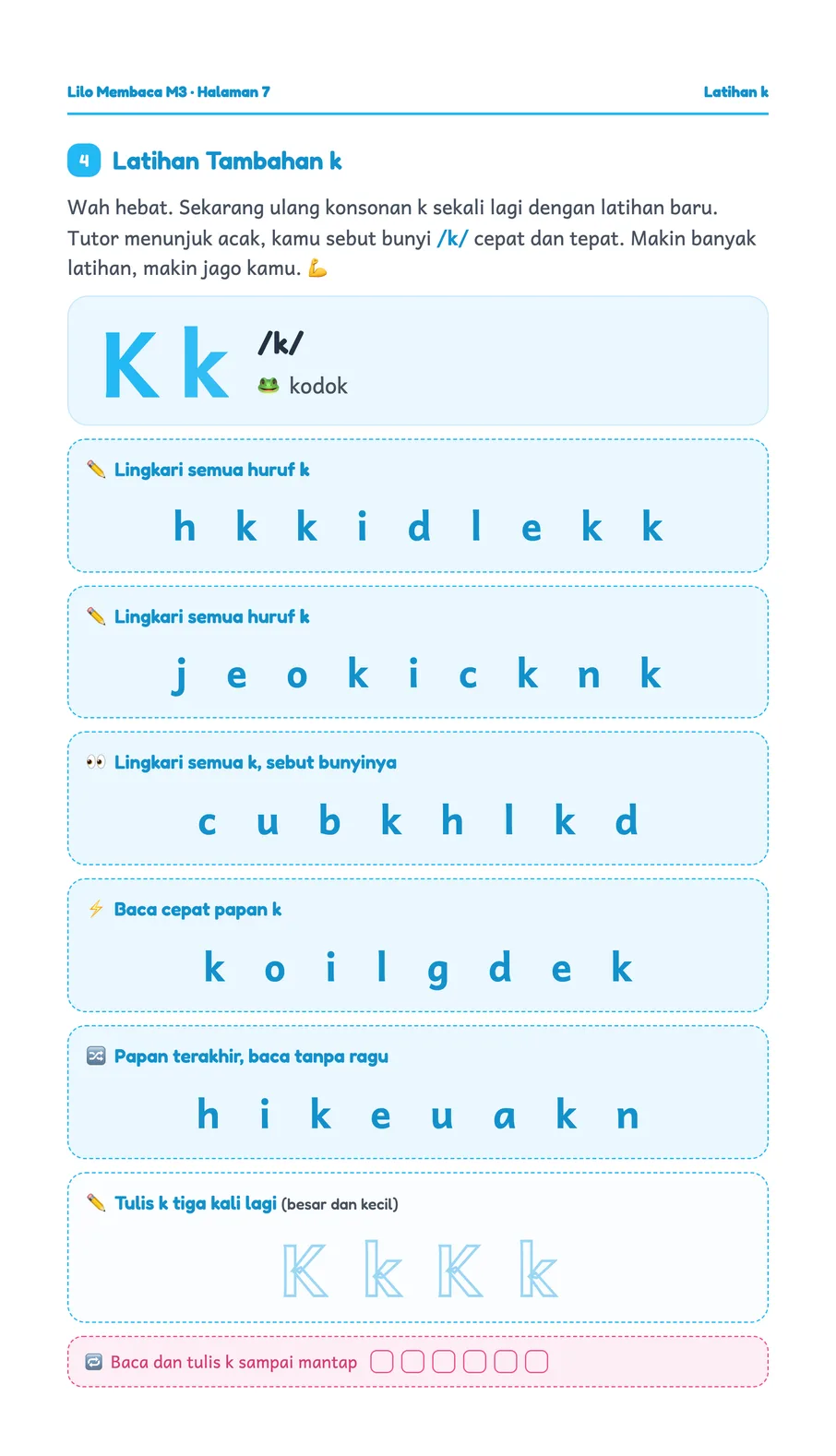
Every pack gathers materials from the Lilo curriculum into one purchase. Buy once, open it in your Lilo account, and print at home whenever your child needs it.

Most complete 24 materials

Complete Ready for Primary School Pack

Everything a child needs during the last year of kindergarten: reading, writing, counting, reasoning, and practice for the entrance test and interview.

IDR 270,000 IDR 81,000 Save 70%
See what is inside K2 to primary
The final kindergarten year 21 materials

Complete Final Kindergarten Year Pack

The last kindergarten year is where it shows. This pack carries a child from blending words to reading sentences, writing on four ruled lines, and counting to one hundred.

IDR 248,000 IDR 74,000 Save 70%
See what is inside Kindergarten 2
Three tracks at once 18 materials

Complete 3-in-1 Literacy and Numeracy Bundle

Reading, writing, and counting in one connected bundle, opened by three short placement checks so you know exactly where your child begins.

IDR 240,000 IDR 72,000 Save 70%
See what is inside All ages
The full reading path 16 materials

Reading Before Primary School Bundle

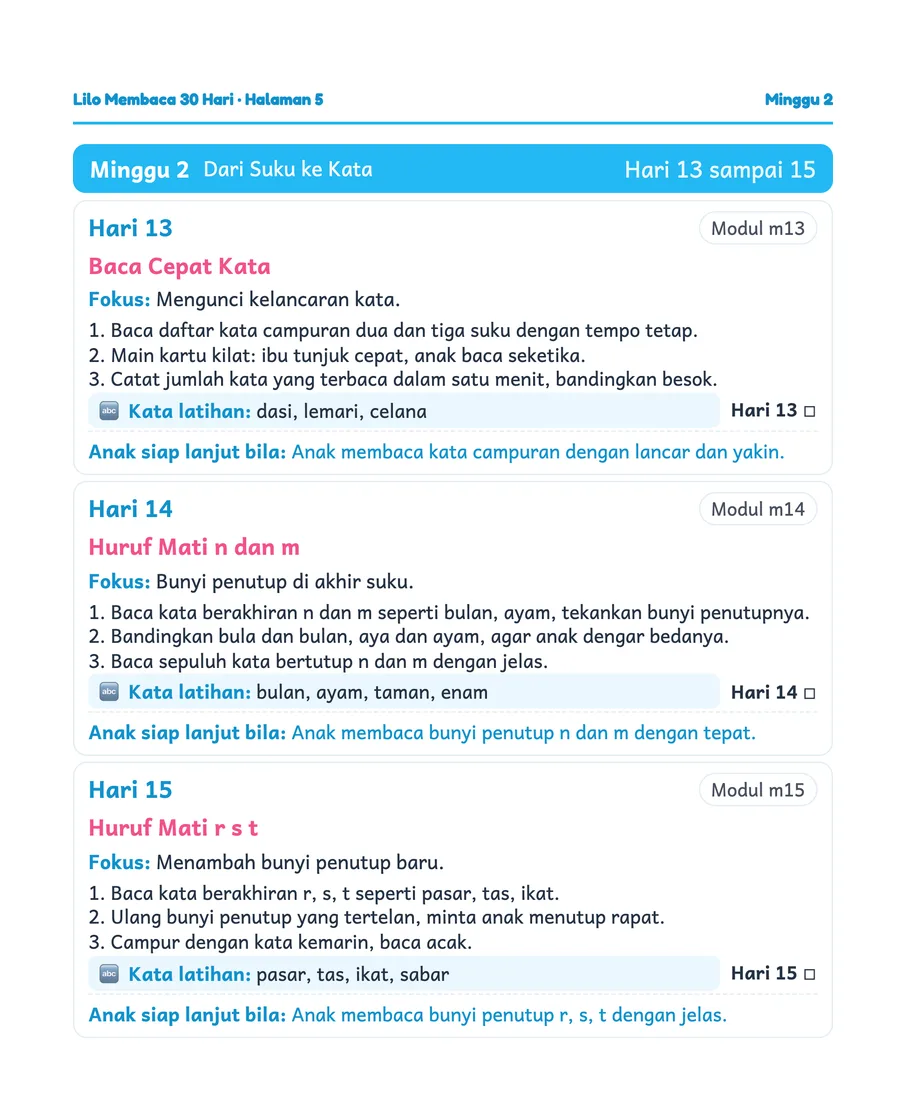
One complete reading path, from recognising letter sounds to reading a story alone and answering questions about it.

IDR 183,000 IDR 54,000 Save 70%
See what is inside All ages
A full kindergarten year 22 materials

Complete First Kindergarten Year Pack

Material for one whole year: meeting letter sounds, mastering syllables, writing numbers to twenty, and training the hand through cutting and pasting.

IDR 171,000 IDR 51,000 Save 70%
See what is inside Kindergarten 1
From grip to sentences 16 materials

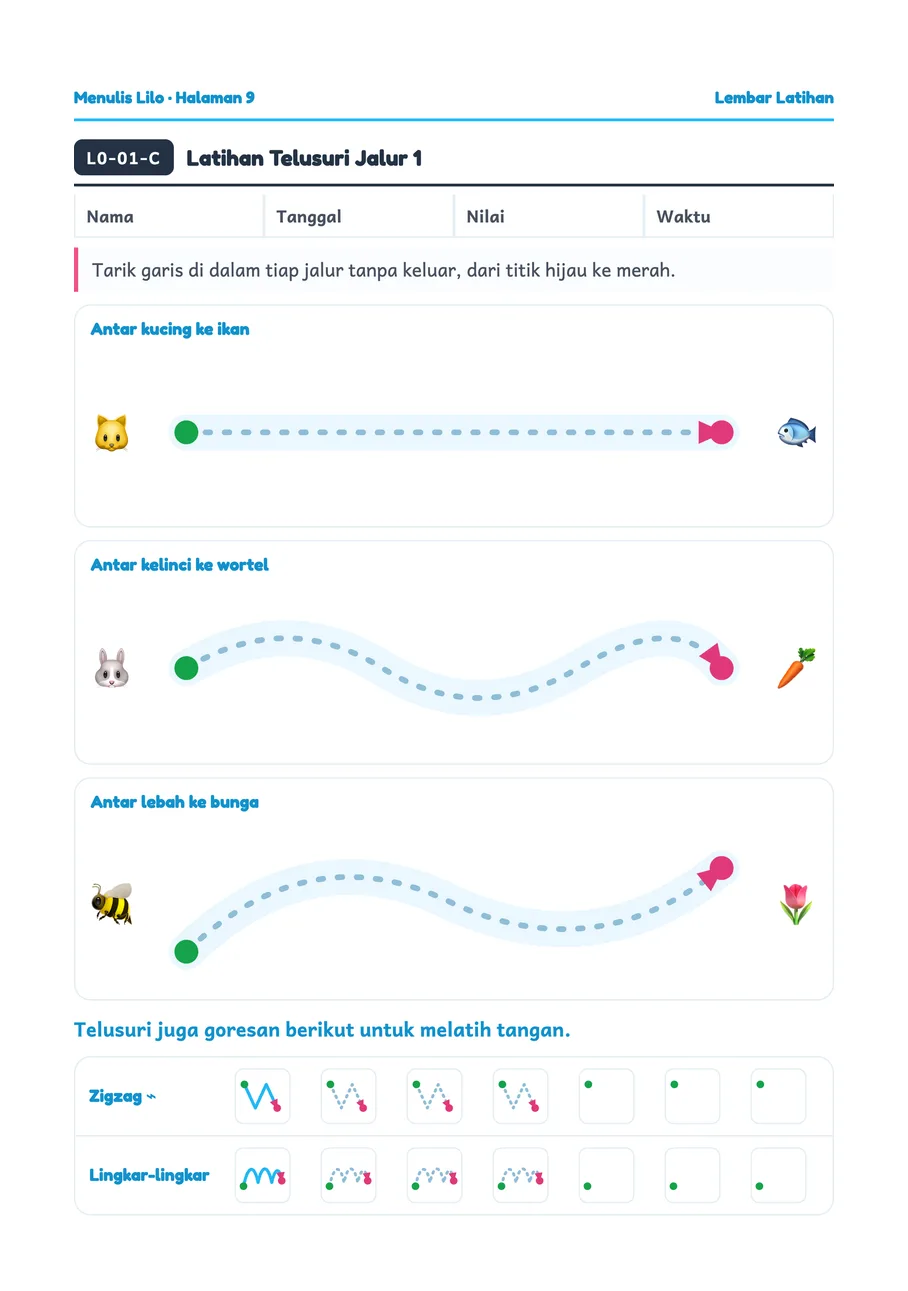
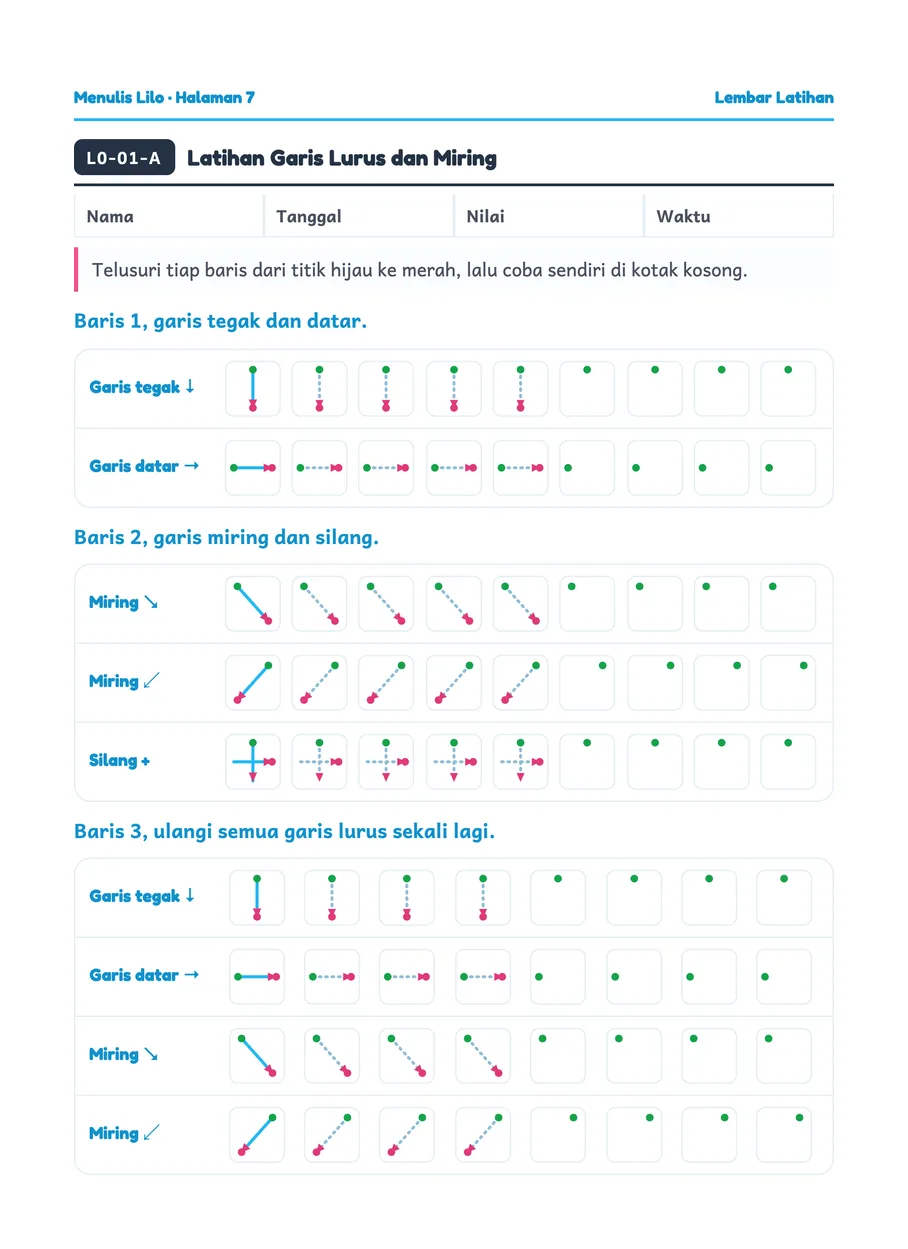
Complete Handwriting Pack

Neat writing begins with a ready hand. This pack trains both in order, from holding a pencil to copying sentences on four ruled lines.

IDR 169,000 IDR 50,000 Save 70%
See what is inside All ages
Scheduled across sixty days 19 materials

Ready for Primary School in 60 Days

There is a date ahead and the time is short. This pack turns the last two months into a clear daily schedule, right up to test day.

IDR 167,000 IDR 50,000 Save 70%
See what is inside Grade 1
Preschool to grade 1 17 materials

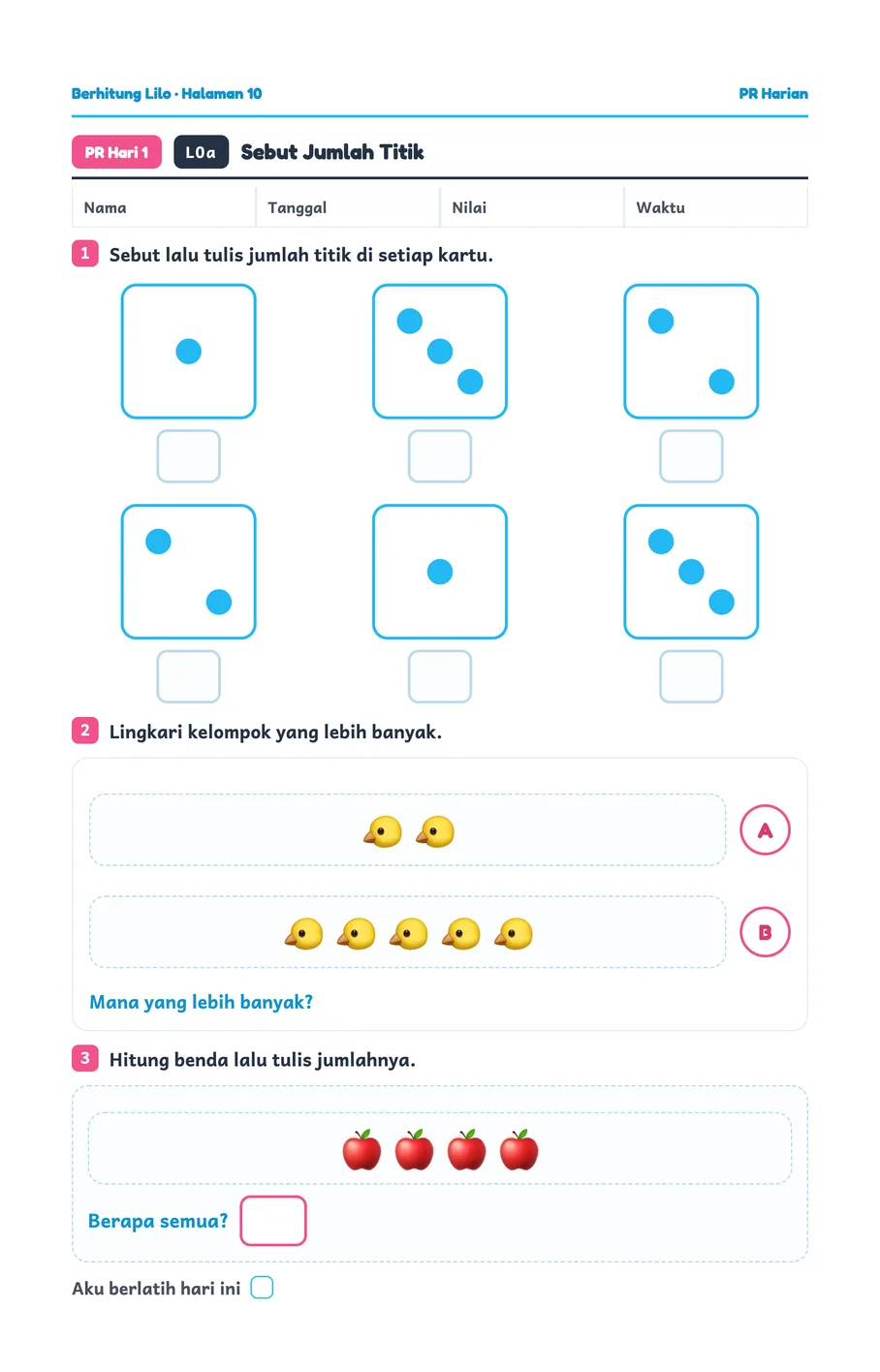
Complete Counting Pack for Preschool to Grade 1

Children build a feel for numbers through objects and pictures first, then move into addition, the hundred board, time, money, and early multiplication.

IDR 162,000 IDR 48,000 Save 70%
See what is inside All ages
Ages 2 to 4 22 materials

Complete Early Years Pack

Between two and four, hands, ears, and habits take shape. This pack supplies the material for all three, from finger strength to a settled daily rhythm.

IDR 163,000 IDR 48,000 Save 70%
See what is inside Preschool
Learning through real objects 14 materials

Montessori Literacy and Numeracy Bundle

A child understands letters and numbers by touching, arranging, and moving objects first, long before either appears as a symbol on paper.

IDR 113,000 IDR 33,000 Save 70%
See what is inside Kindergarten 2
The most affordable entry 17 materials

Complete Logic Bundle

Seventeen collections of puzzles and reasoning practice that train a child to observe, guess, check, and only then decide.

IDR 106,000 IDR 31,000 Save 70%
See what is inside All ages

How buying works

  1. 1

    Pick a pack

    Each page lists the full contents, who it fits, and how to use it at home.

  2. 2

    Pay the way you prefer

    QRIS, bank transfer, e-wallet, or over the counter on the official Lilo payment page.

  3. 3

    Open it in your account

    Once the payment is verified, every material inside the pack opens at app.lilo.id.

Child Readiness

Signs Your Child Is Ready to Learn From a Printed Material Pack at Home

A material pack works best when your child and your home are ready for short, regular practice. These signs help you read that readiness before choosing a pack, and most of them show up within an ordinary week.

The hand is ready for paper

  • Your child can sit for about ten minutes absorbed in one activity they enjoy.
  • They hold a crayon or pencil with their fingertips, even if the grip is still settling.
  • They love sticking, cutting or colouring, and proudly show you what they made.
  • They can follow one short instruction such as circle the two matching pictures.

Curiosity has already switched on

  • Your child asks what the writing says on a snack packet or a shop sign.
  • They count things around them on their own, even when the order sometimes skips.
  • They enjoy guessing patterns, like red, blue, red, and what comes next.
  • They spot the first letter of their own name in unexpected places.

Time for a path that runs in order

  • The loose sheets you collected feel jumpy, sometimes too easy, sometimes too hard.
  • Your child grows bored because the same exercise keeps coming back without a step up.
  • There is a clear goal ahead, such as the final kindergarten year or getting ready for Grade 1.
  • You want to know which parts are already strong and which parts need another round.
Expert view

What Sets a Graded Material Pack Apart From a Pile of Random Worksheets

Two stacks of sheets can look alike on the table. The difference lies in sequence, repetition and layout, three things that decide whether your child's skills actually stay.

A pile of random sheets is usually built from whatever happened to be available, so one sheet may ask a child to read a whole word while they are still meeting letter sounds one by one. A graded pack is built around the child's skills. Each sheet stands on the one before it: letter sounds, then syllables, then words, then short sentences. Your child meets one new demand at a time while everything else is already familiar. That feeling of being able is what brings them back to the table the next day. When a sheet feels heavy, the cause is almost always one missed step, and a clear order makes that step easy to find.

A young child's memory grows stronger through repeated meetings spaced out over time. A graded pack brings old skills back in new clothes: a letter sound from last week reappears inside a word, then a sentence, then a short story. Your child repeats without feeling they are repeating, because the task is always slightly different. In a random pile, repetition happens by chance. Sometimes one type of sheet turns up again and again until your child is fed up, and sometimes a skill vanishes for weeks and fades away. This planned repetition is the hardest part to see from outside, and it does the most to make a skill last.

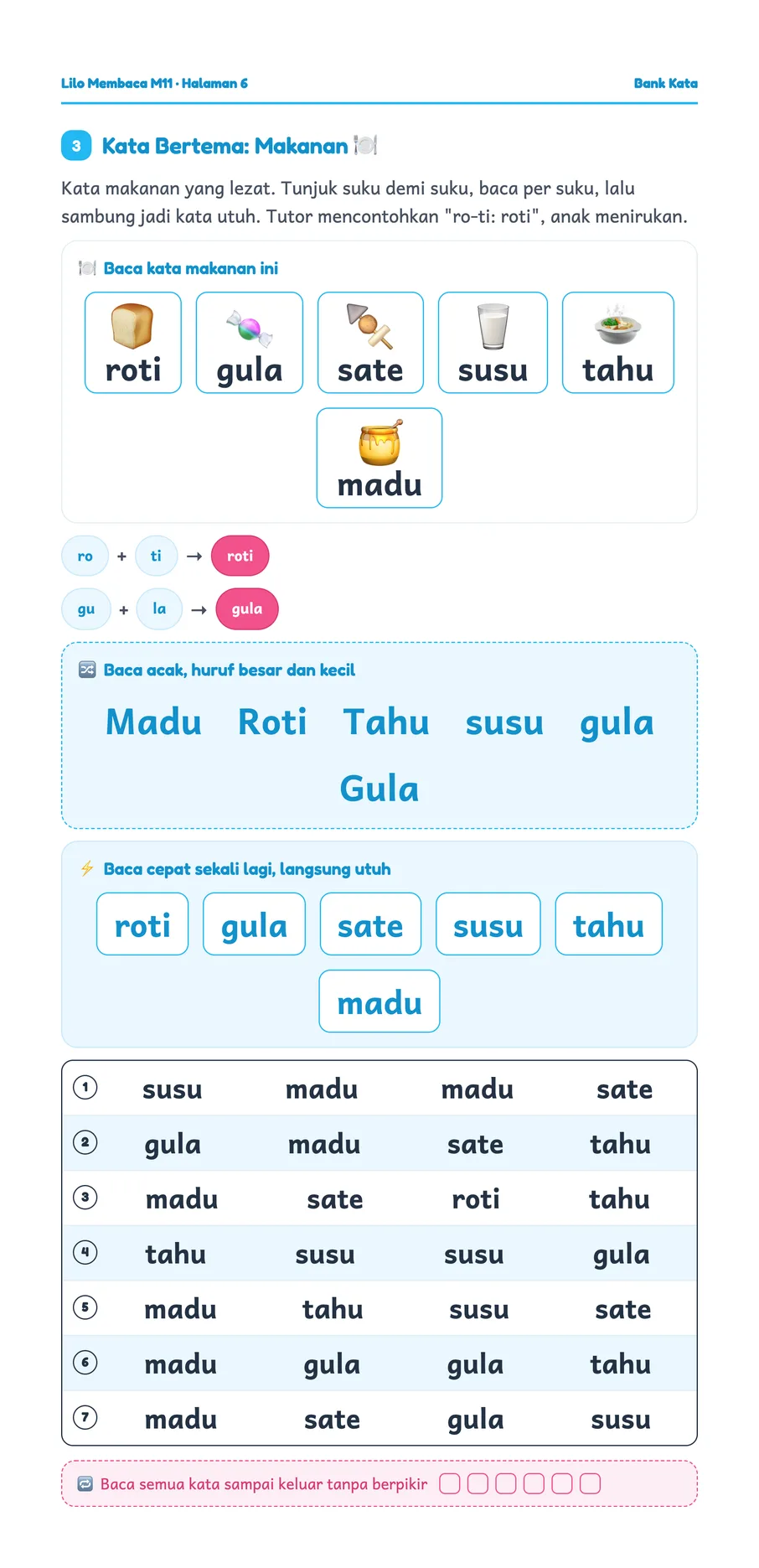
There is a layer that parents often overlook, which is how the sheet looks. In a graded pack, the layout, the typeface and the style of instruction stay steady while the demand rises gently. Writing lines move from wide lanes toward four ruled lines, instructions grow from one word into one sentence, and each page carries a little more as the pack goes on. Sheets from many sources mix line sizes, picture styles and ways of giving instructions. Your child then spends energy working out the page before they can think about its content. A familiar layout frees their attention for the thing they are actually learning.

For you, sitting beside your child, a graded pack works like a map. You know where your child is, what comes next, and which sheet to return to when a section feels shaky. The 3 in 1 Literacy and Numeracy Bundle even opens with short placement checks, so the starting point is clear from day one. Every pack is drawn from Lilo's own curriculum, which is organised into 122 coded modules and used by Lilo tutors in lessons. The sheets your child completes at home speak the same language as sessions with a tutor, so the two can join up whenever you need them to.

Before you buy

Six Questions for Choosing the Lilo Material Pack That Fits Your Child

The right pack feels a little challenging at the start and enjoyable all the way through. These questions help you find it from where your child stands today.

Question to askWhy it matters

What can your child already do comfortably today?

A graded pack helps most when the starting point fits. If the first material sits far below your child's ability, boredom arrives quickly. If it sits too high, they give up quickly. Start with simple observation at home, then match it to each pack's contents list, especially the opening materials.

Does your child need one deep track or several tracks together?

Some children are focused on one thing, such as reading, and need a whole path from letter sounds to understanding a story. Others need reading, writing and counting to move forward together. The Reading Before Primary School Bundle answers the first need, and the 3 in 1 Literacy and Numeracy Bundle answers the second.

Is there an important date coming up soon?

When a selection date is ahead, your child benefits from a clear daily schedule that keeps practice calm and orderly. The Ready for Primary School in 60 Days pack turns the final two months into a day-by-day sequence. When time is generous, a full-year pack such as the First or Final Kindergarten Year Pack gives more room to grow.

Through what does your child understand things most easily?

Some children settle straight into pencil and paper. Others need to touch, arrange and move objects before letters and numbers mean anything to them. For a child who learns through their hands, the Montessori Literacy and Numeracy Bundle builds a bridge from real objects to symbols on the page.

How many minutes of practice are realistic in your home each day?

A large pack can feel heavy when daily time at home is tight. Be honest about your household rhythm. Ten protected minutes every day carry more weight than an hour that rarely happens. A pack with fewer materials, such as the Complete Logic Bundle, makes a gentle way in.

Does your child also need someone who reads their progress?

Worksheets supply the material, while a companion reads how your child thinks as they work. When your child keeps getting stuck in the same place, a trained eye helps find the cause. Lilo offers 1-on-1 private lessons with a tutor whose profile you can see before the first session, and consultation on WhatsApp is free.

Account to table

Five Steps to Using a Lilo Material Pack, From Choosing to the First Finished Sheet

Buying a material pack takes a few minutes. What makes it work is how you begin and how you keep it going at home with your child, week after week.

  1. 1

    Watch where your child starts for a few days

    Before you choose, notice what your child already does comfortably. Can they say the sounds of a few letters, count five objects correctly, or draw a steady straight line? These simple notes keep you from buying a pack that sits too high. If your child needs three tracks at once, the 3 in 1 Literacy and Numeracy Bundle opens with short placement checks that show the starting point.

  2. 2

    Compare the contents list with what your child can do

    Every pack page lists its full contents, the kind of child it was built for, and how to use it at home. Read the first and the last material. The first one should feel slightly easy for your child, so they feel capable from the very first sheet. The last one shows where your child will arrive once the pack has been worked through steadily.

  3. 3

    Pay, then open every material at app.lilo.id

    Payment runs through the official Lilo payment page, with QRIS, bank transfer, e-wallet or over the counter. Once the payment is verified, every material in the pack opens in your Lilo account at app.lilo.id. The materials stay there, so you can return whenever your child needs the same sheet again or is ready for the next one.

  4. 4

    Print only enough for one week

    The first temptation is to print the whole pack in one go. Children feel far more eager facing a small pile they believe they can finish. Print a few sheets for this week, keep them in a folder with your child's name on it, and let them choose which sheet comes first. Finished sheets go into a separate pocket as visible proof of progress.

  5. 5

    Keep it short, revisit what wobbles, then move up

    Ten to fifteen minutes a day is plenty for a young child. Sit beside them, read the instruction aloud when needed, and stop while they are still enjoying it. When a sheet feels heavy, go back one or two sheets and try again tomorrow. The order of the pack makes that step back easy to find, and your child still feels they are moving forward.

Between the sheets

Five Home Activities That Bring Lilo Material Pack Sheets to Life

Worksheets stick best when their content meets your child's real world. These short activities use things already at home and connect directly with the sheet just finished.

ActivityTimeWhat you need

Sound hunt from the sheet to the kitchen

After a sheet about one letter, walk your child around the kitchen looking for things whose names begin with that sound. A spoon for the s sound, a glass for the g sound. Your child says each name aloud, leaning on the first sound, then drops the object into a basket. A sound that lived only on paper now has a shape, a feel and a voice.

10 minutesThe letter sheet just finished, a small basket, kitchen objects

Count it again with real objects

Take a finished counting sheet and ask your child to prove the answer with objects. If the sheet shows three apples plus two apples, they lay out three buttons and two buttons, then count them all. When the paper and the objects agree, your child feels for themselves that the number is right. When they disagree, your child learns to check again calmly.

10 minutesA finished counting sheet, large buttons or bottle caps

Finger warm-up before a writing sheet

Before a writing sheet, give your child five minutes to wake up their fingers. They roll play dough into small balls, tear scrap paper into finger-length strips, then move the strips into a bowl with a clothes peg. The small muscles of the hand warm up, the pencil grip feels steadier, and the lines that follow usually come out neater.

5 minutesPlay dough, scrap paper, a clothes peg, a bowl

Your child teaches one sheet

Pick a sheet your child has already mastered and ask them to teach it to you or to a favourite toy. They explain what the instruction asks, how to work it out, and why the answer is right. Explaining makes a child rebuild their understanding in their own words. You also hear clearly which parts they truly understand and which parts they have simply memorised.

10 minutesOne finished sheet, a doll or favourite toy

Pattern puzzles from the logic sheets

After a sheet about patterns, line up toys on the floor: car, block, car, block, then stop. Your child continues the line and explains the rule. Then swap roles, with your child building a pattern for you to guess. Now and then make a small deliberate mistake and let your child catch it. Observing, guessing and then checking sit at the heart of reasoning practice.

10 minutesTwo or three kinds of small toys, such as cars, blocks or bottle caps
A picture of the journey

What Progress Looks Like While Your Child Works Through a Graded Material Pack

This timeline sketches a child who practises briefly on most days. Every child moves at their own pace, so treat it as a companion for reading progress and let your child set the tempo.

  1. Week 1

    A small rhythm takes shape

    Your child meets a new habit: sit for a moment, finish one sheet, put it in the folder. The opening sheets are deliberately light, so what shows most this week is their willingness to come back to the table. You begin to see the time of day when your child is freshest and easiest to invite.

  2. Week 2

    Your child starts reading the page layout alone

    Because the sheets in one pack share a steady layout, your child begins to grasp the task before you finish reading the instruction. They point to the answer box, pick up the pencil and start with little direction. That small independence tells you their attention is shifting toward the content of the sheet.

  3. Month 1

    The opening section of the pack feels settled

    Your child now handles the opening materials comfortably, and some skills appear unprompted, such as saying a letter sound when they see a shop sign. You also know which parts need another round. Note them down, because the pack will bring those skills back in a slightly different form.

  4. Month 2

    Sheets that once felt hard now feel light

    Your child meets old skills again inside new tasks and finishes them more calmly. This is when planned repetition starts to show its effect. They may ask for an extra sheet or want to do two in a row, which is a good sign as long as they keep enjoying it.

  5. Month 3

    Skills begin to join hands

    Depending on the pack you chose, your child starts combining abilities: reading a short sentence and answering a question about it, writing a word they just read, or counting through pictures and writing the number down. You notice them using what they practised away from paper, in everyday talk and play.

A child who lingers in one section is laying a firm foundation. Follow their tempo and repeat patiently until that section feels light to them.

FAQ

Frequently Asked Questions

  1. Which pack suits a four-year-old who does not know any letters yet?

    For a four-year-old who does not know letters yet, the Complete Early Years Pack or the Complete First Kindergarten Year Pack is the natural starting point. If your child's hand still needs strengthening and the habit of sitting is just forming, begin with the Early Years Pack. If they are already curious about writing and love cutting and pasting, the First Kindergarten Year Pack walks them through letter sounds and syllables in order.

  2. Does my child need to read fluently before using the Complete Logic Bundle?

    Your child does not need to read fluently to start the Complete Logic Bundle, which is labelled for all ages. Its puzzles and reasoning practice train your child to observe, guess, check and then decide. For a child who cannot read yet, simply read the instruction aloud slowly. After a few sheets, most children begin to understand the instruction from the pictures and layout on their own.

  3. If primary school entry has no reading and counting test, is the 60-day pack still worth it?

    Yes, because its purpose is to prepare your child for learning in Grade 1. Admission to Grade 1 does not require a reading, writing and counting test, and selection uses age, under Permendikdasmen 3/2025, Article 11 paragraph 5. Even so, a child who knows letter sounds, writes with a comfortable grip and counts with objects walks into the first week of school with far more confidence.

  4. How many sheets should my child do in a day?

    One or two sheets a day, roughly ten to fifteen minutes, is enough for a young child. Your child's face is the best measure. Stop while they are still happy and want more, so they return to the table tomorrow with the same spark. On tired days, swap the sheet for a light home activity, such as a sound hunt in the kitchen.

  5. What printer and paper do I need to print the materials?

    An ordinary home printer and ordinary paper are enough to print Lilo materials. For writing sheets, make sure the print is sharp enough that your child can clearly see the four ruled lines. Colouring and cutting sheets feel nicer on paper that is a little thicker. Because the materials stay in your Lilo account, a torn sheet or one you want to repeat can be printed again whenever needed.

  6. What should I do if my child refuses to do the worksheets?

    Refusal usually means the sheet is too heavy, the timing is off, or the session runs too long. Step back one or two sheets to material your child has mastered, so they feel capable again. Move practice to the time of day when they are freshest, and shorten it to five minutes for a while. Let your child pick the sheet, then link it to real objects they love.

  7. Can I use a material pack alongside Lilo private lessons?

    Yes, and the two strengthen each other because they come from the same Lilo curriculum. In lessons, the tutor uses worksheets from the module your child is studying. If this week's report says your child is practising open syllables, matching sheets from a pack can fill the days between sessions. Monthly lesson packages run as Starter, Regular, Intensive and Complete, and the Lilo team helps you choose on WhatsApp.

  8. How is the 3 in 1 bundle different from the Complete Ready for Primary School Pack?

    The 3 in 1 Literacy and Numeracy Bundle focuses on reading, writing and counting that connect with each other, opens with placement checks, and suits all ages. The Complete Ready for Primary School Pack is built for the final kindergarten year and covers more ground: reading, writing, counting, reasoning, and practice for the entrance test and interview. Choose the first to build foundations and the second for the transition year.

  9. My child is left-handed. Does the Complete Handwriting Pack still fit?

    The Complete Handwriting Pack fits left-handed children well, because it trains the hand in order from holding a pencil to copying sentences. A few small adjustments help. Tilt the paper slightly to the right, have your child hold the pencil a little further from the tip so their writing stays visible, and seat them where their left arm has room to move.

  10. How do I know my child is ready to move to the next material in the pack?

    Your child is ready to move on when they can finish a sheet with little help and explain how they did it. If they still guess often or lean on your hints, repeat a similar sheet on another day. Repeating at the right point makes the next step feel light. If you are unsure, describe the situation to the Lilo team on WhatsApp.

Material packs

Not sure which pack fits your child?

Tell us your child age and what they are working on. The Lilo team will point you to the right pack.

Bundles