Lilo Teacher Job

Preschool / Kindergarten Teacher Jobs across Indonesia

Fee: about IDR 70,000 to IDR 215,000 per session (60 minutes). You draw your preschool session fees from the teacher app on the day you choose, and the first draw each month is free. Sessions are set at hours you can keep.

Once your preschool sessions fill the week, earning potential of up to IDR 9 million a month.

You become one of 5,000+ tutors in Lilo's national network, trusted by 5,500+ learners, readying kindergarten children for the step into primary school.

A Lilo Preschool Teacher guides children aged 4 to 6 at the preschool and kindergarten stage. You prepare children to recognise letters, numbers, and learning habits, so they step into primary school calm and confident.

  • Flexible schedule
  • Lilo method training
  • Competitive fee
  • Home or online tutoring

You are paid for every session you teach, so your monthly total rises as you take on more kindergarten children and lessons.

Qualifications

Who Lilo is looking for as a Preschool / Kindergarten Teacher

Required

  • Enjoys guiding preschool children
  • Patient, cheerful, and able to hold children’s attention
  • Able to explain simple things in an engaging way
  • Willing to finish onboarding and the method modules in the teacher app

Nice to have

  • Background in early childhood or primary education
  • Experience in a preschool, kindergarten, or children’s tutoring
  • Used to preparing children for primary school
Child Readiness

The Skills Lilo Looks For in a Preschool Teacher

Teaching children aged four to six calls for a particular blend of abilities. These three groups make the biggest difference in every session, and all of them keep sharpening as you work through Lilo's modules and teaching guides.

Explaining Things for Young Children

  • Breaking one idea into small steps a child can touch and see
  • Using everyday objects, songs, and movement as a bridge to letters and numbers
  • Speaking in short, clear sentences with a tone that invites the child to try
  • Showing first, then doing it together, then letting the child try alone

Patience and Observation

  • Staying calm when a child refuses, cries, or suddenly wants to play something else
  • Noticing how a child holds a pencil, says a sound, and counts on their fingers
  • Recognising when a child needs a pause and when they are ready for a little more challenge
  • Celebrating effort with praise that is specific, sincere, and well measured

Tidy Record Keeping

  • Recording each session's progress briefly, neatly, and in words parents understand
  • Sending the weekly progress report on time, with review material and a home activity
  • Keeping to the schedule you chose so the child can count on you being there
Day to day

Your responsibilities

  • Guide preschool and kindergarten children with letters, numbers, and words
  • Prepare reading, writing, and counting readiness before primary school
  • Use Lilo’s structured method and materials
  • Build habits of focus and finishing tasks
  • Report each child’s progress to parents regularly
The Lilo Method

How Lilo Preschool Teachers Ready Children for Primary School

Reading readiness through sound awareness, writing readiness through motor practice, and counting readiness through real objects before symbols. You also build the habit of sitting focused and finishing tasks, key for starting primary school.

Reading and writing readiness

Sound awareness and motor practice that prepare children to step into primary school calmly.

Counting with real objects

Lilo’s CPA approach, where children grasp the meaning of numbers before the symbols.

Learning habits

Helping children sit focused and finish their tasks, an important head start for primary school.

One Session

Inside One Lilo Preschool Session: Crayons, Blocks and Letter Sounds

Children aged four to six learn most comfortably when they can predict the rhythm. That is why every Lilo session follows the same flow, and your child soon knows what comes next.

  1. A Calming Hello

    The session opens with a short greeting that uses the child's name, then a little chat about their day. In these first minutes you read the mood: is the child fresh, sleepy, or just finished crying? That reading decides how quickly you move into the material, so the child starts learning from a place of safety.

  2. A Warm-up Through Play

    Next comes a quick game that revisits last week's material, such as finding objects that start with the same sound or counting the buttons on a shirt. In the first session, this game is how you find the child's starting point, with no written test. The child feels they are playing while you quietly note what they already know.

  3. The Core Lesson from a Lilo Module

    Then you open the Lilo curriculum module that fits the child's stage, complete with its worksheets. One idea is worked through in several forms: touched, said aloud, then written or pointed to. Children this age tire quickly, so each part stays short, and you switch forms before their attention runs out.

  4. Closing with a Sense of Success

    Near the end, the child finishes one small task they are sure to complete, then shows it off proudly. The habit of finishing tasks grows from moments like this. You close the session by naming one thing the child did well that day, in words that are concrete and honest.

  5. Notes for the Weekly Report

    After the session, you note the child's stage, what they achieved, what needs another look, and one light activity for home. These notes come together as a short progress report every week, so parents can walk alongside the child's learning in the days between sessions.

What you get

Joining Lilo

Lilo school-readiness method training

Ready leveled curriculum and materials

Flexible schedule, home or online tutoring

A chance to grow into a mentor teacher

First 90 Days

Your First Three Months as a Lilo Preschool Teacher

This picture shows how a preschool teacher usually grows alongside a first pupil. Everyone moves at their own pace. Each milestone brings a new skill you can feel for yourself while sitting beside a child.

  1. Week 1

    Studying the Modules and Your First Session

    You work through the Lilo method modules in the teacher app at your own pace, get to know how they are arranged, then take up a class offer and meet your first pupil. The first session is for getting acquainted and finding the child's starting point through play. It is normal to glance at your notes often, because the child is paying far more attention to your smile and your voice.

  2. Week 3

    The Session Rhythm Takes Shape

    The child starts to know the order of the session and greets you ready to begin. You learn to cut an activity short before attention drifts, and you start to see which games light up their enthusiasm. Several weekly reports have gone out, each holding small and real achievements.

  3. Month 1

    Telling a Tired Child from a Confused One

    You begin to tell a tired child from a confused child, two states that call for different responses. A tired child needs a moment of movement, while a confused child needs a simpler example. This sensitivity makes sessions feel light for the child, and for you as well.

  4. Month 2

    Progress You Can Point To

    Results start to show: the child names more letter sounds, counts objects more carefully, or sits through a worksheet for longer. You write reports that link each achievement to a stage in the modules, so parents can see the direction and the child feels their effort is valued.

  5. Month 3

    A Flexible, Trusted Teacher

    By the third month, you adapt modules to each child's temperament with ease and can take on several pupils on a schedule you choose yourself. Consistent teachers like this can later step into a mentor teacher role, guiding newcomers with real experience from the field.

This timeline is a general picture. Some teachers move faster and some take longer, and both are equally good as long as the child keeps growing.

How to apply

Four steps to become a Preschool / Kindergarten Teacher

The process is short and clear. You can apply online now.

  1. Start with the Form

    Begin with our brief application form, picking the Preschool Teacher role and the city you can reach with ease.

  2. Receive Your Profile Link

    An email with your profile completion link follows shortly. Please peek into the spam folder if it seems delayed.

  3. Write Your Full Profile

    Describe your experience with preschool children, mark the teaching schedule you can hold, and include the documents we request.

  4. Self-Paced Study, Then First Class

    You finish onboarding and work through the school readiness modules in the teacher app, then accept a class offer that fits, and your first class with a student begins.

Why Lilo

Why teach at Lilo

Prepare Children for School

You walk children aged 4 to 6 toward primary school with integrated early reading, writing, and counting, the readiness parents value most before first grade.

A Clear Bridge Curriculum

Lilo maps the journey from first letters and numbers to simple reading and counting, so the goal of every session stays clear to you.

Partner with Parents

You are coached to talk with parents about their child's progress, supported by Lilo materials and reports, so family trust grows alongside you.

Flexible and Progressive

Choose home or online sessions that suit your days, while building a career path that can lead to a preschool mentor position.

Expert Insight

What Makes a Great Preschool Teacher: Teaching Through a Child's Hands, Ears, and Eyes

Preschool children learn through their bodies, through play, and through cheerful repetition. A teacher who understands this can turn one short session into an experience that stays with the child.

For a five-year-old, the number three is often still a sound remembered from a song. A preschool teacher's job is to connect that sound to a real quantity. You place three bottle caps on the table, invite the child to touch each one while counting, then show that the last number counted is how many there are altogether. Only then is the written numeral three introduced, and the child writes it on the worksheet. Moving from objects, to pictures, to symbols makes understanding solid. A child who skips the object stage can often recite numbers up to twenty, then freeze when asked to pick up seven marbles.

The same holds for letters. Children find letters easiest to learn through their sounds. The letter M becomes useful once a child hears it as the /m/ at the start of mama and mango. A great teacher trains the child's ear first: guessing opening sounds, clapping along to syllables, hunting for things in the room that share a sound. Once the ear is tuned, the child's eyes meet the shape of the letter, and their hand traces it in the air, in sand, and then on paper. Three senses working together help the memory last far longer.

Attention spans at this age are short, and a great teacher plans the session around that fact. One activity lasts a few minutes, then changes form: from sitting to standing, from writing to sticking, from talking to singing. The idea stays the same, and only the way of reaching it changes. For example, a child growing restless while tracing the letter B can be invited to hop over to picture cards of a ball, a book, and a bird taped to the wall. The child keeps learning the letter B while their body gets the movement it needs. These planned changes keep the child's spirits up until the session ends.

Readiness for primary school also means habits: sitting for a while, listening to instructions, waiting for a turn, and finishing a task once it is started. These habits grow from repeated experiences of success. A Lilo preschool teacher sets tasks that are the right size, a little challenging and still doable, then invites the child to tidy their own worksheet. When a child gets used to finishing what they begin, that sense of capability travels with them into year one. A child like this steps into primary school calmly, because the classroom feels like a continuation of something already familiar.

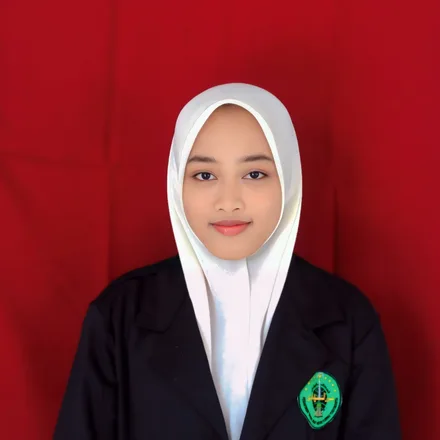
Our Teachers

Join Lilo’s teachers

These Lilo teachers already help kindergarten children grip a pencil, hear letter sounds and count real objects.

Rahma A.
Rahma A. Yogyakarta
Lulu A.
Lulu A. Makassar
Wafa F.
Wafa F. Bandung
Nanda R.
Nanda R. Sleman
Catherine P.
Catherine P. Deli Serdang
IHDA H.
IHDA H. Semarang
Checks Before Joining

What a New Preschool Teacher Should Ask a Tutoring Institution Before Joining

The year before primary school is when a child learns to sit, listen, and see a small task through. The institution behind you shapes how well you can build those habits, so ask these questions first.

  1. How do I learn the method before I sit down with my first child?

    A kindergarten child who has never had a lesson tests the routine within minutes: they wander to the toy box, ask for a drink, slide off the chair. Knowing how to open a session, pace it in short steps, and bring a child back calmly is learned before it is needed. Every new Lilo tutor studies the method modules and their teaching guides in the teacher app first, at their own pace, so you arrive at that first home already holding a plan for the wandering moments.

  2. Does the institution supply worksheets that a young child can actually finish in one sitting?

    Finishing is a habit, and it grows from tasks sized to the child: a page of sound pictures to circle, a row of lines to trace, a handful of buttons to count into a cup. A child who reaches the bottom of the page learns that work has an end worth reaching. Lilo hands you materials from its own curriculum, 122 coded modules arranged in steps, so each sheet fits where the child stands today.

  3. Can I keep the same days and hours with a child from week to week?

    Young children settle into learning through repetition of place and time. When the lesson always comes after the afternoon nap, at the same small table, the child starts to sit down before you even ask. That rhythm only holds if the schedule is yours to set. Lilo tutors choose their own hours and teach in children's homes in their city, online, or a mix of both, so you can offer a family a steady weekly rhythm and keep it.

  4. How will I tell parents that their child is learning to sit and focus longer?

    In the year before primary school, parents watch for small signs: the child who once lasted a few minutes now finishes a tracing page, or names the first sound of their own name. Those changes are easy to miss at home unless someone writes them down. Lilo asks tutors to keep progress notes on each child for the parents, so the habits you build in a session can be noticed, praised, and carried into the rest of the week.

  5. Will I be asked to pay anything to join, and how does my fee reach me?

    Teaching little ones asks for patience and careful preparation, so you deserve clarity about money from the start. An institution that charges applicants up front is selling you a place before you have taught anyone. Lilo never asks applicants for a registration fee. Your fee for each session lands in the teacher app, you can withdraw it whenever you like, and the first withdrawal of every month costs nothing.

  6. If I stay with it, can I grow into training other preschool teachers?

    Teachers who stick with young children gather a quiet kind of expertise: how to end a session before a child tires, which counting game brings a restless boy back to the mat, when to praise a finished page. That knowledge deserves to be passed on. Lilo gives consistent teachers a path to become mentors and trainers of new tutors, so the routines you refine with small children can shape how the teachers who come after you start out.

Applicant questions

Preschool / Kindergarten Teacher job questions

What is the main focus of a Lilo preschool teacher?

Preparing preschool children to be ready for primary school, from recognising letters and numbers to habits of focus and finishing tasks. Lilo equips you with a structured method so this readiness grows gradually.

Do I teach at a school or privately?

Most guidance is private at home or online, so each child gets full attention. Lilo matches the schedule with your availability.

I have kindergarten experience but no education degree, can I apply?

Yes. Real experience guiding preschool children is highly valued and can stand in for a formal degree. What matters is your willingness to finish onboarding and study Lilo's modules before your first session.

Do I need to be good at drawing or singing to teach kindergarten children?

What matters most is a willingness to join in and play with the child. Simple songs, line drawings, and body movement are enough to bring a session to life, and children love a teacher who is brave enough to have a go. Lilo method training and the Lilo curriculum materials give you plenty of activities, so you only need to adapt them to the child you teach.

What if a child refuses to learn or cries in the middle of a session?

This is normal for children aged four to six. The first step is to soothe the child and give them a moment, then bring them back through a light game still linked to the material. Lilo training prepares you to read the signs of a tired or confused child. Note what happened in the weekly report so the child's patterns become visible over time.

Can online lessons really work for preschool children?

Yes, with an approach shaped for young children. Online activities work best in short bursts, using objects around the child and plenty of movement in front of the camera. Materials and worksheets from the Lilo curriculum stay your guide. You are free to choose teaching in the pupil's home, online, or both, on a schedule you set yourself.

How is teaching kindergarten different from teaching the early primary years?

Kindergarten children learn mainly through objects, play, and repetition, with short attention spans. Your focus is introducing letter sounds, quantities of objects, and the habit of sitting to finish a task. Children in the early primary years are already reading and counting on paper. Lilo serves children aged 3 to 10, so its curriculum connects the two stages clearly.

Can I teach more than one child?

Yes. Every Lilo session is private tutoring with one teacher and one child, and you can teach several pupils at different times on the schedule you choose. You might start with one pupil to get to know the method, then add more once the rhythm feels comfortable. Each child still receives your full attention and their own weekly report.

What happens if a kindergarten child and I just don't click?

Lilo matches tutors with pupils carefully from the start. If, once lessons are under way, a child has yet to click with their tutor, the child receives a replacement tutor. Fit like this depends largely on temperament and style, and it is a natural part of working with young children. For more detailed questions, the Lilo team is happy to help through a WhatsApp consultation.

Ready to become a Preschool / Kindergarten Teacher?

Walk more children confidently toward their first day of primary school. Apply now as a Lilo Preschool Teacher and begin your journey.

Sign Up